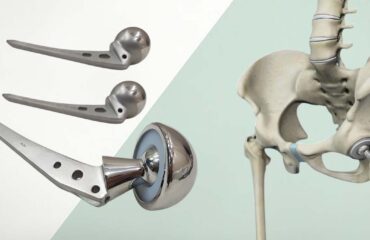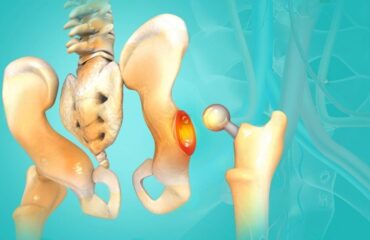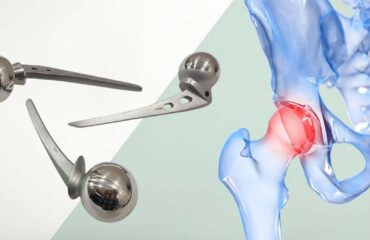



A shoulder prosthesis is an artificial device that replaces all or part of the shoulder joint, typically used to restore mobility and relieve pain caused by severe joint damage, arthritis, fractures, or other degenerative conditions. This procedure is known as shoulder arthroplasty.
Detailed Components of a Shoulder Prosthesis
A typical shoulder prosthesis includes:
Humeral Component:
- A metal stem inserted into the upper arm bone (humerus).
- Can be cemented or press-fit (uncemented).
- Sometimes includes a metal ball (head) on top to replace the natural humeral head.
Glenoid Component (optional, depending on type):
- A plastic or metal-backed socket that replaces the glenoid cavity (shoulder socket).
- Fixed to the scapula (shoulder blade) with bone cement or screws.
Types of Shoulder Prostheses
Anatomical Total Shoulder Replacement:
- Replaces both the humeral head and the glenoid.
- Mimics the natural anatomy of the shoulder.
- Suitable when rotator cuff is intact.
Hemiarthroplasty:
- Only the humeral head is replaced.
- Used when the glenoid is still healthy.
- Often performed after severe fractures.
Reverse Shoulder Arthroplasty:
- Ball and socket are reversed (ball placed on glenoid side, socket on humerus).
- Useful for patients with rotator cuff tears or severe arthritis.
- Provides stability by relying on the deltoid muscle instead of the damaged rotator cuff.
Common Indications for a Shoulder Prosthesis
- Osteoarthritis
- Rheumatoid arthritis
- Rotator cuff tear arthropathy
- Avascular necrosis
- Severe fractures of the shoulder (e.g., proximal humerus fractures)
- Failed previous shoulder surgery or implant
Benefits of Shoulder Prostheses
Here are the detailed benefits of shoulder prostheses (shoulder joint replacements), especially when used for severe joint conditions:
Pain Relief
- Primary benefit of shoulder prosthesis is dramatic reduction or complete relief of chronic shoulder pain.
- Pain caused by arthritis, fractures, or degeneration is addressed by replacing the damaged surfaces.
- Patients often report improved comfort even shortly after surgery.
Improved Range of Motion
- With the damaged joint replaced, joint stiffness decreases.
- Patients regain the ability to raise the arm, rotate the shoulder, and perform tasks that were previously difficult or impossible (e.g., combing hair, dressing).
Enhanced Strength and Function
- By restoring proper joint mechanics, shoulder prostheses allow stronger and more stable movements.
- Especially important for lifting light to moderate objects and performing overhead activities.
Improved Quality of Life
- Pain relief and better mobility lead to greater independence in daily activities, such as eating, bathing, or driving.
- Patients often report improved sleep and emotional well-being due to reduced pain.
Long-Term Durability
- Modern prostheses can last 10–20 years or more, especially with proper care and activity modification.
- Makes it a long-term solution for severe shoulder joint problems.
Corrects Joint Deformity
- Shoulder prosthesis can restore proper anatomical alignment in cases of deformity due to injury or arthritis.
- This contributes to better balance and function of the shoulder muscles.
Option for Complex Cases
- Reverse shoulder prosthesis allows shoulder function restoration even when the rotator cuff is damaged or non-functional.
- Gives hope to patients who would otherwise have limited options for regaining mobility.
Faster Recovery with Modern Techniques
- Minimally invasive surgical approaches and improved implant design result in quicker post-op recovery and better outcomes.
Risks and Considerations
Here are the detailed benefits of shoulder prostheses (shoulder joint replacements), especially when used for severe joint conditions:
Infection
- One of the most serious risks.
- Can occur during surgery or later due to bloodstream infections.
- May require removal of the prosthesis and long-term antibiotics.
Prosthetic Loosening or Wear
- Over time, the implant can loosen or wear out, especially with high use.
- This can cause pain and reduced function, sometimes requiring revision surgery.
Dislocation or Instability
- The ball of the prosthesis can dislocate from the socket, especially in reverse shoulder replacements.
- Risk is higher during early recovery or if precautions are not followed.
Nerve or Blood Vessel Injury
- The nearby axillary nerve, brachial plexus, or blood vessels may be stretched or damaged during surgery.
- This can lead to temporary or permanent weakness, numbness, or tingling.
Limited Range of Motion
- Not all patients regain full range of motion.
- Especially true for those with long-standing stiffness, weak muscles, or inadequate rehabilitation.
Fractures
- Bone fractures can occur during or after surgery, especially in elderly patients with osteoporosis.
Blood Clots (DVT/PE)
- Though less common in shoulder surgery than in hip or knee replacements, deep vein thrombosis or pulmonary embolism is a risk.
Allergic Reactions
- Rare, but some patients may have metal allergies to components like cobalt, chromium, or nickel used in the implant.
Anesthesia Risks
Like any major surgery, there are risks related to general anesthesia, such as respiratory issues or adverse reactions.
Implant Failure or Revision Surgery
- Over time, implants may fail due to loosening, wear, or infection.
- A revision shoulder replacement is more complex and has higher risks than the initial procedure.
Considerations Before Surgery
- Age and activity level: Younger, active patients may wear out the implant sooner.
- Bone quality: Osteoporotic bone may not hold the implant well.
- Rotator cuff status: Determines whether a reverse or anatomical prosthesis is appropriate.
- Post-op rehabilitation: Essential for recovery; poor compliance can compromise outcomes.