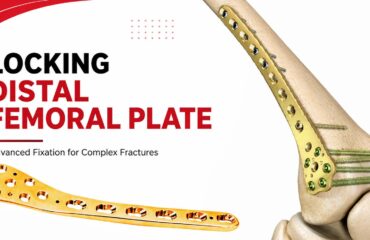


The evolution of orthopaedic implants has transformed fracture treatment, enabling surgeons to restore anatomy, improve stability, and accelerate patient recovery. Among the many innovations in trauma fixation, the Locking Distal Ulna Plate has emerged as an effective solution for managing complex fractures involving the distal ulna, particularly those near the wrist joint.
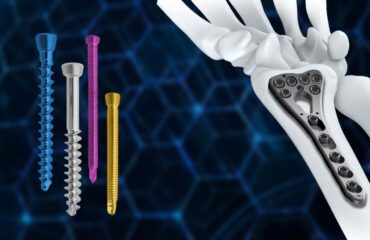
Designed to provide anatomical fixation and angular stability, the Locking Distal Ulna Plate works in combination with Locking Plates & Screws to achieve superior outcomes in both simple and complicated fracture patterns. Modern orthopaedic practice also utilizes other advanced solutions such as Interlocking Nails, Hip Implants, Spine Implants, hip prosthesis systems, ACL PCL implants, and various nails, pins & wire products, all supported by specialized general instruments set for precise surgical procedures.
Understanding Distal Ulna Fractures
The ulna is one of the two long bones of the forearm and plays a vital role in wrist stability and rotational movements. The distal portion of the ulna forms an important component of the distal radioulnar joint (DRUJ), which enables pronation and supination of the forearm.
Distal ulna fractures often occur due to:
- Road traffic accidents
- Sports injuries
- Falls on an outstretched hand
- Industrial accidents
- Osteoporotic conditions in elderly patients
These injuries frequently accompany distal radius fractures and require stable fixation using advanced orthopaedic implants to restore proper wrist function.
What Is a Locking Distal Ulna Plate?
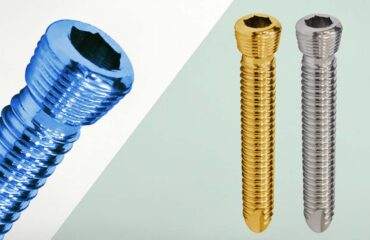
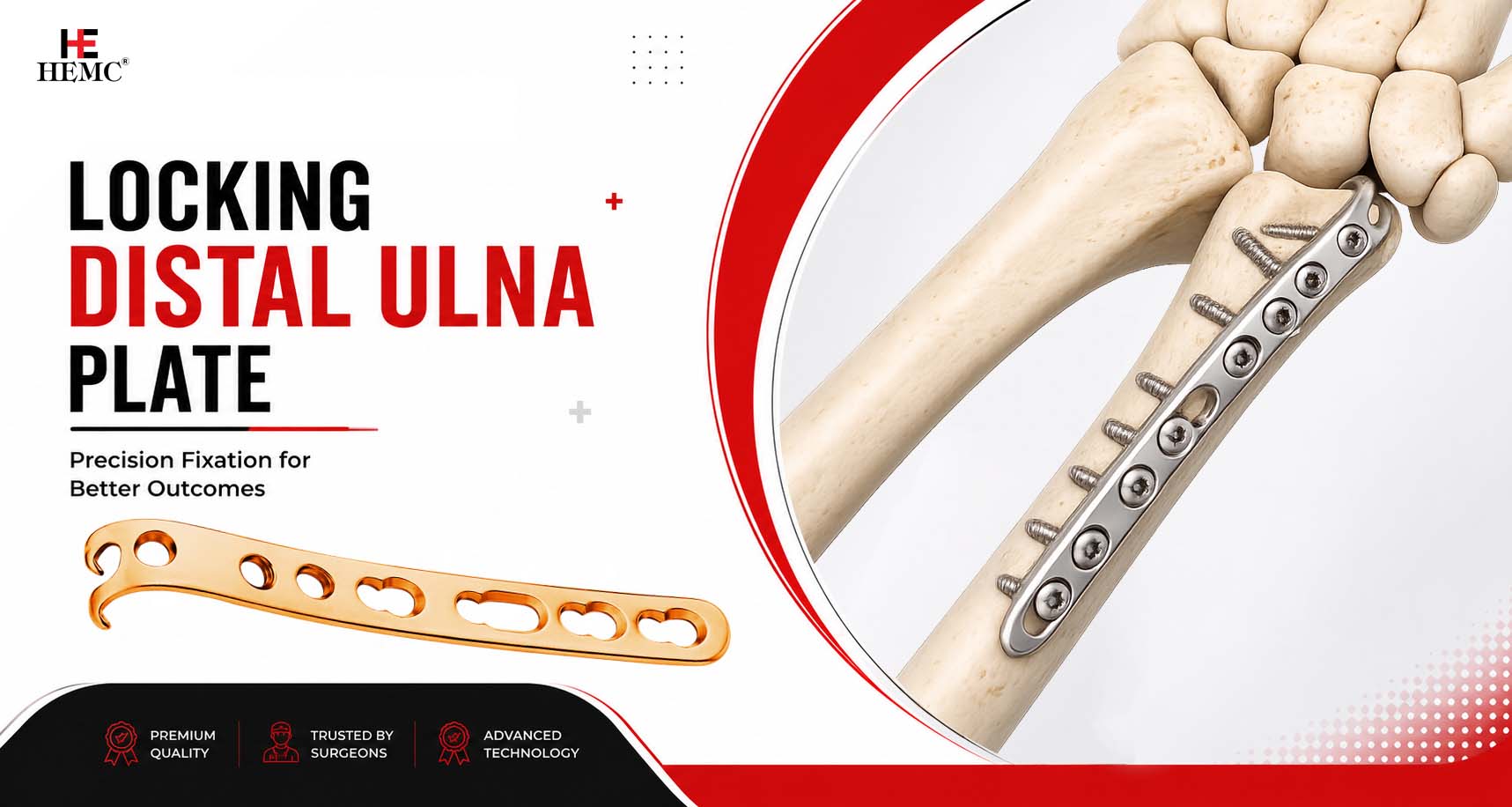
A Locking Distal Ulna Plate is a specially designed fixation device used for fractures involving the distal end of the ulna. The plate is anatomically contoured to match the natural shape of the bone and incorporates multiple holes for Locking Screws, creating a fixed-angle construct that enhances stability.
The system belongs to the broader category of Locking Plates, which have become increasingly popular because of their ability to provide superior fixation in:
- Osteoporotic bone
- Comminuted fractures
- Small bone fragments
- Periarticular injuries
- Revision surgeries
These implants help maintain alignment while minimizing complications associated with conventional plating methods.
Key Features of Locking Distal Ulna Plates
Anatomically Contoured Design
- The plate is specifically engineered to conform to the distal ulna anatomy, reducing the need for extensive intraoperative bending and improving surgical efficiency.
Multiple Locking Screw Options
- The distal portion contains several screw holes that accommodate Locking Screws, allowing secure fixation of small fracture fragments.
Low-Profile Construction
- Modern implants are designed with a low-profile structure that minimizes soft tissue irritation and improves patient comfort after surgery.
High-Quality Materials
Most manufacturers use:
- Surgical stainless steel
- Titanium alloys
- Biocompatible materials
These ensure durability, corrosion resistance, and long-term implant performance.
Clinical Indications for Locking Distal Ulna Plates
The implant is commonly used in various clinical scenarios.
Distal Ulna Fractures
- The primary indication includes unstable fractures involving the distal segment of the ulna.
Ulnar Head Fractures
- Certain fractures affecting the ulnar head require anatomical fixation to preserve wrist function.
Osteoporotic Bone Conditions
- The fixed-angle technology of Locking Plates provides excellent stability in elderly patients with poor bone quality.
Non-Unions and Malunions
- Revision procedures frequently utilize locking systems to achieve rigid fixation and promote healing.
Complex Forearm Injuries
- Combined radius and ulna fractures often require specialized orthopaedic implants for optimal outcomes.
Advantages of Locking Distal Ulna Plates
Superior Stability
The combination of Locking Plates and Locking Screws creates a stable construct that resists:
- Rotational forces
- Axial compression
- Bending stresses
- Screw pull-out
This enhanced stability contributes to faster healing and better functional recovery.
Improved Fixation in Osteoporotic Bone
Traditional screws depend heavily on bone quality for fixation strength.
Locking systems provide:
- Fixed-angle stability
- Reduced screw loosening
- Better load distribution
- Enhanced biomechanical performance
These advantages make them ideal for elderly patients.
Preservation of Blood Supply
Modern surgical techniques emphasize biological fixation, minimizing soft tissue disruption and preserving periosteal circulation.
This promotes:
- Faster healing
- Reduced infection rates
- Lower complication risks
- Improved long-term outcomes
Early Rehabilitation
Stable fixation allows patients to begin:
- Range-of-motion exercises
- Physiotherapy programs
- Functional activities
- Progressive strengthening
Earlier mobilization reduces stiffness and enhances recovery.
Surgical Procedure Overview
The implantation process generally involves several steps.
Surgical Procedure Overview
The implantation process generally involves several steps.
Patient Positioning
- The patient is positioned appropriately to provide optimal access to the distal forearm and wrist.
Fracture Reduction
The surgeon carefully restores:
- Bone alignment
- Rotational anatomy
- Joint congruity
- Forearm length
Accurate reduction is essential for maintaining wrist function.
Plate Placement
- The Locking Distal Ulna Plate is positioned along the ulnar surface using minimally invasive or open surgical techniques.
Screw Fixation
- A combination of Locking Screws and conventional screws may be utilized depending on fracture characteristics.
Postoperative Imaging
Radiographs confirm:
- Implant positioning
- Screw placement
- Fracture reduction
- Joint alignment
Role of General Instruments Set in Surgery
A comprehensive general instruments set plays a crucial role in successful orthopaedic procedures.
These instrument systems typically include:
Drill Guides
- Used to ensure precise screw placement and proper angulation.
Screwdrivers
- Specialized drivers accommodate locking and cortical screw systems.
Reduction Forceps
- These instruments maintain fracture alignment during fixation.
Depth Gauges
- Accurate measurements help select appropriate screw lengths.
Bone Holding Devices
- These tools facilitate stable manipulation during surgery.
A high-quality general instruments set improves surgical efficiency and reduces operative complications.
Locking Distal Ulna Plates and Other Orthopaedic Implants
Modern trauma care involves a wide range of specialized orthopaedic implants, each designed for specific anatomical applications.
Locking Plates and Locking Screws
The principles behind Locking Plates and Screws extend throughout orthopaedic trauma management, including:
- Distal radius fractures
- Tibial injuries
- Femoral fractures
- Humeral fixation
- Clavicle procedures
These systems provide consistent angular stability across multiple applications.
Interlocking Nails
Interlocking Nails are commonly used for:
- Tibial shaft fractures
- Femoral fractures
- Humeral injuries
- Long bone stabilization
Unlike plates, they function as load-sharing devices placed within the medullary canal.
Both technologies complement one another in comprehensive trauma care.
Nails, Pins & Wire
The category of nails, pins & wire includes:
- Kirschner wires (K-wires)
- Steinmann pins
- Cerclage wires
- Intramedullary pins
- Tension band wiring systems
These products often serve as supplementary fixation methods alongside locking plate systems.
Hip Implants
Modern Hip Implants have transformed the treatment of:
- Hip fractures
- Degenerative arthritis
- Femoral neck injuries
- Joint reconstruction procedures
These implants include:
- Dynamic hip screws
- Proximal femoral nails
- Hip replacement systems
- Specialized trauma devices
Their development reflects the broader advancement of orthopaedic implants worldwide.
Hip Prosthesis Systems
A hip prosthesis is designed to replace damaged hip joints in patients suffering from:
- Osteoarthritis
- Rheumatoid arthritis
- Avascular necrosis
- Severe trauma
Modern prosthetic systems offer:
- Enhanced mobility
- Reduced pain
- Long-term durability
- Improved patient satisfaction
The same engineering principles applied to locking plates influence innovations in hip replacement technology.
Spine Implants
Spine Implants play a vital role in managing:
- Spinal fractures
- Degenerative disorders
- Deformity correction
- Tumor stabilization
These systems include:
- Pedicle screws
- Rod constructs
- Interbody cages
- Cervical fixation devices
Like locking plate technology, spinal implants emphasize stability, precision, and anatomical restoration.
ACL PCL Implants
Sports medicine relies heavily on ACL PCL implants for ligament reconstruction procedures.
Common products include:
- Interference screws
- Endobutton systems
- Cross pins
- Suspensory fixation devices
These implants enable athletes and active individuals to regain knee stability and return to their previous activity levels.
Material Selection in Distal Ulna Plates
Material quality significantly impacts implant performance.
Stainless Steel Implants
Benefits include:
- Excellent mechanical strength
- Cost-effectiveness
- Long clinical history
- Superior durability
These remain widely used in trauma applications.
Titanium Implants
Titanium offers several advantages:
- Better biocompatibility
- Reduced weight
- Improved MRI compatibility
- Enhanced corrosion resistance
Many premium orthopaedic implants now utilize titanium alloys for advanced applications.
Rehabilitation Following Distal Ulna Plate Fixation
Successful outcomes depend on comprehensive rehabilitation programs.
Initial Recovery Phase
The first few weeks focus on:
- Swelling control
- Pain management
- Protected movement
- Wound healing
Progressive Motion Exercises
Patients gradually begin:
- Wrist flexion exercises
- Forearm rotation activities
- Strengthening routines
- Functional training
Return to Daily Activities
Stable fixation through Locking Plates enables earlier recovery and improved long-term function.
Most patients can eventually resume:
- Work activities
- Sports participation
- Daily household tasks
- Recreational pursuits
Future Innovations in Orthopaedic Implant Technology
The field of orthopaedic implants continues to evolve rapidly.
Patient-Specific Implants
- Three-dimensional printing allows customized solutions tailored to individual anatomy.
Smart Implant Technology
Future systems may monitor:
- Healing progression
- Mechanical loading
- Implant performance
- Recovery patterns
- Advanced Biomaterials
Researchers are developing materials that:
- Promote bone growth
- Resist infection
- Enhance biological integration
- Improve long-term outcomes
These innovations will influence all implant categories, including Hip Implants, Spine Implants, ACL PCL implants, Interlocking Nails, and Locking Plates.
Conclusion
The Locking Distal Ulna Plate represents a significant advancement in the treatment of distal forearm fractures, providing surgeons with reliable fixation, anatomical restoration, and superior biomechanical stability. Through the use of advanced Locking Plates and Locking Screws, patients benefit from improved healing, earlier rehabilitation, and better functional outcomes.
As part of the broader ecosystem of modern orthopaedic implants, these systems work alongside Interlocking Nails, Hip Implants, Spine Implants, hip prosthesis technologies, ACL PCL implants, and nails, pins & wire solutions to deliver comprehensive musculoskeletal care.
Supported by high-quality general instruments set, modern orthopaedic procedures continue to achieve remarkable precision and effectiveness, helping patients regain mobility and improve their quality of life. The future of fracture management promises even greater innovations, ensuring that advanced implant systems remain at the forefront of patient-centered orthopaedic treatment.