


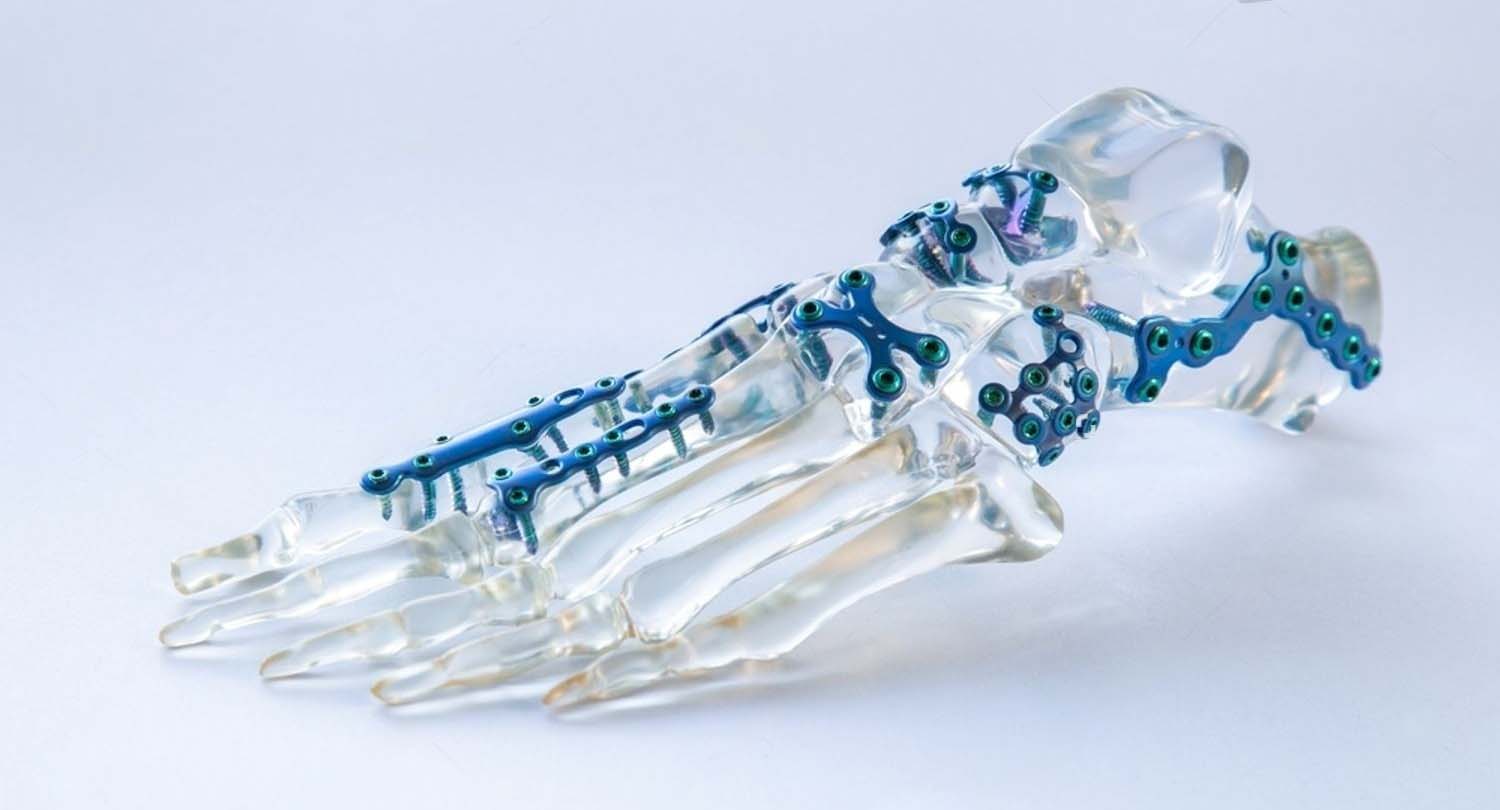
Small fragment implants are orthopedic devices designed for the fixation of fractures in smaller bones, such as those in the clavicle, scapula, humerus, radius, ulna, pelvis, distal tibia, and fibula. These implants are essential in treating osteotomies, nonunions, and small bone fractures, providing stability and facilitating proper bone healing.
Types of Small Fragment Implants
Small fragment implants are orthopedic devices designed for the fixation of fractures in small bones like the clavicle, humerus, radius, ulna, fibula, and distal tibia. They are primarily used in trauma and reconstructive surgeries. Below is a detailed classification of small fragment implants:
Plates for Small Fragment Fixation
Plates provide structural support to fractured bones by holding bone fragments together until healing occurs.
Dynamic Compression Plates (DCP)
- These plates use screw tightening to generate compression across the fracture site.
- The oval holes in the plate allow axial compression when the screws are inserted eccentrically.
- Used in simple fractures where compression is required for stability.
Limited Contact Dynamic Compression Plates (LC-DCP)
- An advanced version of DCP with reduced bone-plate contact, minimizing vascular damage.
- Provides better periosteal blood supply preservation, which enhances fracture healing.
- Used in complex fractures requiring long-term stability.
Reconstruction Plates
- Highly flexible and contoured plates used in complex fracture fixation.
- Often used in pelvic and clavicle fractures where anatomical shaping is crucial.
- Available in different thicknesses depending on the load-bearing requirement.
Locking Compression Plates (LCP)
- These plates have a combination of conventional and locking screw holes.
- Locking screws engage with the plate, providing a stable construct without relying on bone compression.
- Ideal for osteoporotic bones and comminuted fractures.
T-Plates and L-Plates
- Designed to fit anatomically in areas with complex fractures, such as the distal radius and humerus.
- T-Plates are used for intra-articular and metaphyseal fractures.
- L-Plates provide angular stability in certain bone regions like the distal tibia.
Mini Fragment Plates
- Used for delicate bone structures, such as in hand and foot surgeries.
- Typically come in 1.5mm, 2.0mm, and 2.7mm thicknesses.
Screws for Small Fragment Fixation
Screws provide compression and stability to fracture sites and are often used alone or in combination with plates.
Cortical Screws
- Designed with a fine thread for use in dense, hard cortical bone.
- Provides excellent fixation in diaphyseal (shaft) regions.
- Common sizes: 3.5mm, 4.5mm.
Cancellous Screws
- Have a coarser thread, ideal for spongy, softer bone.
- Used in metaphyseal (end of bone) regions.
- Common sizes: 4.0mm, 6.5mm.
Cannulated Screws
- Hollow screws that allow a guide wire to pass through for precise placement.
- Used in minimally invasive techniques.
- Commonly used in femoral neck fractures, scaphoid fractures, and small joint surgeries.
Headless Compression Screws
- Designed to sit flush with the bone surface, reducing soft tissue irritation.
- Often used in hand and foot surgeries where prominence can be problematic.
Locking Screws
- Engage directly with the plate, forming a stable fixed-angle construct.
- Useful in osteoporotic and comminuted fractures where traditional screws may not hold well.
Specialty Implants for Small Fragments
Intramedullary Pins and Wires
- Kirschner Wires (K-wires): Used for temporary fixation or small bone fractures.
- Steinmann Pins: Thicker pins used in long bones for traction or fixation.
External Fixators for Small Fragments
- Used for unstable fractures requiring external stabilization.
- Often used in open fractures or cases with soft tissue compromise.
Benefits of small fragment implants
Small fragment implants play a vital role in orthopedic trauma surgery, particularly in the fixation of fractures in smaller bones such as the radius, ulna, clavicle, humerus, fibula, and distal tibia. These orthopaedic implants offer several advantages in terms of stability, healing, and overall patient recovery. Below is a detailed breakdown of their benefits:
Enhanced Fracture Stability
- Rigid Fixation: Small fragment plates and screws provide stable fixation, preventing unwanted movement at the fracture site and ensuring proper bone alignment.
- Locking Mechanism (Locking Compression Plates – LCP): These plates allow screws to lock into the plate, creating a fixed-angle construct that enhances stability, especially in osteoporotic bones.
Faster and Predictable Healing
- Compression Induction: Plates such as Dynamic Compression Plates (DCP) generate interfragmentary compression, promoting faster healing through bone remodeling.
- Minimal Interruption to Blood Supply: Limited Contact Dynamic Compression Plates (LC-DCP) reduce plate-bone contact, preserving the periosteal blood supply and accelerating healing.
Versatility in Treating Different Fractures
- Anatomical Adaptability: Different implant shapes (T-Plates, L-Plates, and Reconstruction Plates) allow for precise contouring to fit specific bone structures.
- Wide Range of Applications: Used in simple, complex, comminuted, and intra-articular fractures, making them adaptable to various clinical situations.
- Compatibility with Soft Tissue: Mini fragment implants (1.5mm, 2.0mm, and 2.7mm) are used for delicate structures in hand and foot surgeries without interfering with surrounding tissues.
Reduced Risk of Complications
- Minimizes Malunion and Nonunion: Strong fixation ensures bones heal in the correct position, reducing the chances of improper healing or failure to heal.
- Decreased Infection Risk: The use of biocompatible materials (e.g., titanium and stainless steel) reduces the risk of infection and implant rejection.
- Prevention of Implant Failure: Locking plates and headless compression screws provide added durability, especially in high-stress areas.
Suitable for Osteoporotic and Fragile Bones
- Locking Screws for Weakened Bones: Provide better hold in osteoporotic bones where traditional screws may not grip effectively.
- Intramedullary Fixation Options: Cannulated screws and intramedullary pins help in fracture fixation without excessive drilling, preserving bone strength.
Minimally Invasive Surgery Options
- Percutaneous Fixation with Cannulated Screws: Minimizes soft tissue damage, leading to quicker recovery.
- External Fixation for Severe Cases: Provides an alternative when internal fixation is not viable due to severe soft tissue injuries.
Long-Term Durability and Biocompatibility
- High-Quality Materials: Made from stainless steel or titanium, offering resistance to corrosion and wear.
- Long-Term Strength: Ensures the implant remains functional throughout the healing process, reducing the need for revision surgeries.
Improved Post-Operative Recovery and Functionality
- Early Mobilization: Stable fixation allows for early rehabilitation, reducing joint stiffness and muscle atrophy.
- Minimal Soft Tissue Interference: Low-profile implants minimize irritation and allow better movement post-surgery.
Manufacturer in India
HEMC : Operating from Noida, Uttar Pradesh, they manufacture and export various orthopedic implants and instruments, including small fragment implants
Quality Standards:
HEMC adhere to international quality standards, ensuring their products are reliable and safe for medical use. Certifications such as ISO 13485:2016, ISO 9001:2015, WHO-GMP, CE, and FDA are commonly held by these companies, reflecting their commitment to quality assurance.
Conclusion
Small fragment implants provide a crucial advantage in orthopedic fracture management. Their ability to offer stability, faster healing, versatility, and durability makes them indispensable in modern orthopedic surgery. Their wide application range ensures optimal recovery, especially for patients with osteoporosis, complex fractures, or delicate bone structures.

You must be logged in to post a comment.