


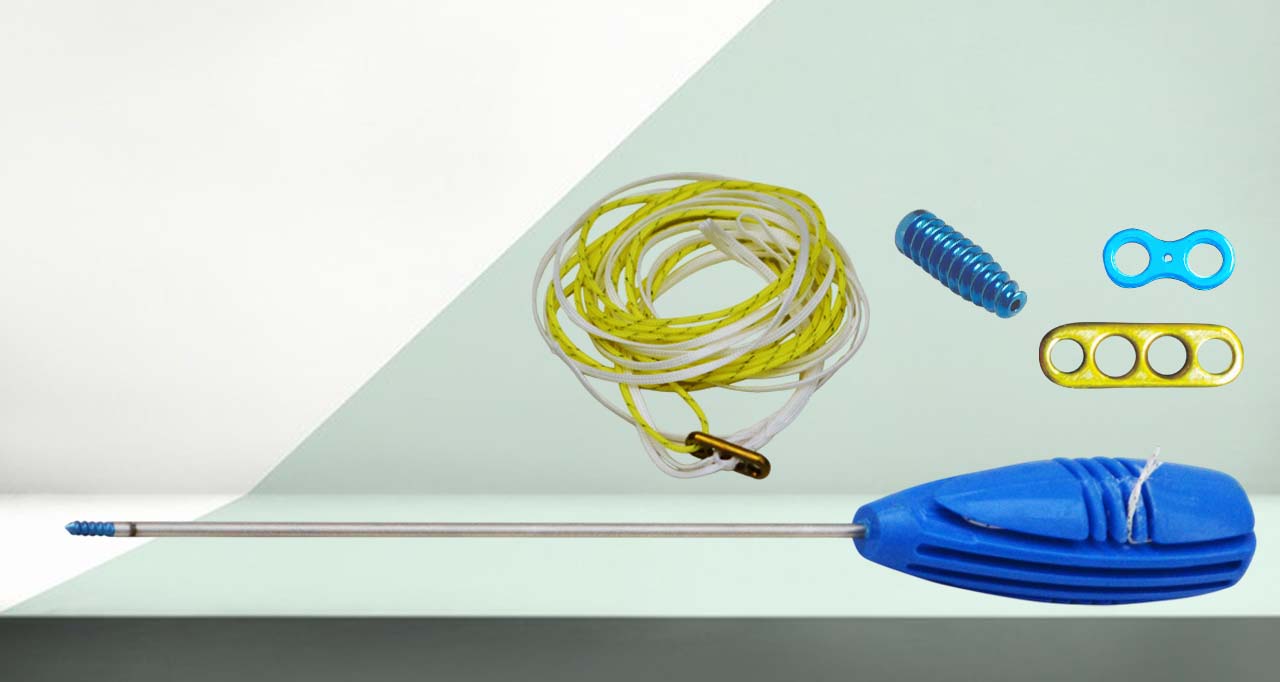
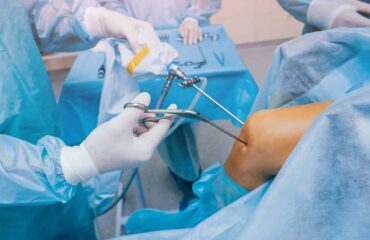
Arthroscopy is a minimally invasive surgical procedure used in orthopedic medicine to diagnose and treat problems inside a joint. It involves inserting a small camera, called an arthroscope, into the joint through a small incision. The camera projects images onto a screen, allowing the surgeon to view the joint in detail and perform necessary surgical procedures with small instruments.
Arthroscopy is commonly used for diagnosis and treatment of a variety of joint problems, especially when physical exams, X-rays, and MRIs do not provide enough information. It is most commonly performed on the knee, shoulder, elbow, ankle, hip, and wrist.
Common Indications for Arthroscopy by Joint
Knee Arthroscopy
- Meniscal tears (removal or repair of torn cartilage)
- ACL or PCL injuries (ligament reconstruction)
- Loose bodies (removal of bone or cartilage fragments)
- Patellar tracking disorders
- Synovial inflammation (e.g., in rheumatoid arthritis)
- Osteoarthritis debridement (smoothing cartilage)
Shoulder Arthroscopy
- Rotator cuff tears (repair)
- Labral tears (e.g., SLAP lesions)
- Shoulder instability (recurrent dislocations)
- Impingement syndrome (removal of bone spurs)
- Frozen shoulder (capsular release)
- Calcific tendonitis
Hip Arthroscopy
- Labral tears
- Femoroacetabular impingement (FAI)
- Hip dysplasia (early management)
- Snapping hip syndrome
- Cartilage damage
Elbow and Wrist Arthroscopy
- Loose bodies
- Tennis elbow (lateral epicondylitis)
- Synovitis
- TFCC (triangular fibrocartilage complex) tears in the wrist
- Carpal instability
Advantages of Arthroscopy
- Smaller incisions
- Faster recovery time
- Less pain and scarring
- Reduced infection risk
- Outpatient procedure (in most cases)
When Arthroscopy is Preferred Over Open Surgery
- When the condition is localized and accessible through small instruments
- When less invasive methods are desirable for quicker recovery
- For diagnostic purposes when imaging is inconclusive
- For joint cleaning, repair, or reconstruction without the need for a large incision
Limitations and Contraindications
- Advanced arthritis with widespread cartilage damage (arthroscopy is less effective)
- Severe joint deformity
- Active infection in or around the joint
- Patient unfit for anesthesia or surgery
An overview of arthroscopy instruments
Arthroscopy requires a set of specialized instruments designed to access, visualize, and operate within joints through small incisions. These instruments are used in combination with an arthroscope and other tools to perform both diagnostic and therapeutic procedures.
Below is a detailed explanation of the main arthroscopy instruments and their uses:
Arthroscope (Endoscope)
Use: Visualization
- A thin, tube-like instrument (4 mm diameter, ~18 cm long).
- Contains a fiber-optic light source and a camera.
- Transmits live images to a monitor for visualization of internal joint structures.
Types:
- 0° scope: Straight view.
- 30°, 70° scopes: Angled view for better visualization of joint corners.
Light Source and Light Cable
Use: Illumination
- Provides bright, cool light transmitted through fiber optics.
- Essential for illuminating the joint space for clear visualization.
Camera and Monitor System
Use: Viewing and Recording
- The camera attaches to the arthroscope and sends real-time video to a monitor.
- Allows the surgeon and operating team to see inside the joint.
- High-definition systems provide detailed images and are often used for teaching or documentation.
Arthroscopy Sheath and Cannula
Use: Port Creation & Instrument Access
- Cannulas are hollow tubes inserted into the joint through small incisions.
- They allow insertion and removal of instruments and maintain fluid flow.
- Sheaths help guide and stabilize the arthroscope.
Irrigation System (Fluid Management System)
Use: Joint Distension and Debris Removal
- Pumps sterile saline or lactated Ringer’s solution into the joint.
Purpose:
- Expands the joint for better visualization.
- Removes blood, debris, and keeps the image clear.
- May be gravity-fed or powered by a pressure-controlled pump.
Surgical Instruments (Insertable Tools)
Probe
- Blunt-tipped instrument.
- Use: Palpation, assessment of cartilage, meniscus, ligaments.
Punch/Grasper
- Scissor-like or clamp-like instrument.
- Use: Cutting and removing torn tissue (e.g., meniscus, labrum).
Shaver
- Motorized instrument with a rotating blade.
- Use: Trimming soft tissue or cartilage.
- Connected to suction to remove debris simultaneously.
Burr (Motorized)
- Rotating tool used for bone trimming.
- Use: Debridement, smoothing bone, treating impingements (e.g., FAI in hip).
Electrocautery / Radiofrequency Probe
- Uses electrical energy or radiofrequency.
- Use: Coagulation of bleeding, tissue ablation, or shrinkage of capsules.
Curette / Rasp
- Manual tools.
- Use: Scraping or smoothing bony surfaces and cartilage.
Suture Passers and Anchors
- Specialized tools for arthroscopic suturing.
- Use: Repair torn soft tissues (e.g., rotator cuff, labrum).
- Anchors: Tiny devices embedded into bone to hold sutures in place.
Trocar and Obturator
- Use: Entry into Joint Cavity
- Trocar: Sharp instrument used with a cannula to create a pathway.
- Obturator: Rounded blunt instrument used to safely insert cannulas.
Hand Instruments (Accessory Tools)
- Includes forceps, scissors, knife blades, hooks, and switching sticks.
- Help manipulate, cut, or retrieve tissue during procedures.
Instrument Tray (Sterile Arthroscopy Set)
- All tools are arranged in a sterile, standardized tray.
- Includes basic and specialized instruments, depending on the procedure.
Specific Instruments by Joint
Joint Instrument Additions/Notes
——————————————————————————————————————————————–
Knee Meniscus punches, basket forceps, tibial tunnel guides (ACL)
——————————————————————————————————————————————–
Shoulder Suture anchors, cannulated drill guides, knot pushers
——————————————————————————————————————————————–
Hip Longer scopes, traction equipment, fluoroscopic guidance
——————————————————————————————————————————————–
Wrist Miniature scopes and instruments due to smaller joint space
Sterilization and Maintenance
- All instruments must be sterilized after each use.
- Arthroscopes are delicate and require careful handling.
Summary
Arthroscopy instruments are designed to minimize invasiveness, maximize precision, and enable complex repairs inside joints with minimal trauma. The success of an arthroscopic procedure heavily depends on the correct selection and skillful handling of these instruments.

You must be logged in to post a comment.