

The field of orthopaedic surgery has witnessed remarkable advancements over the past few decades, and one of the most significant innovations is the arthroscope. Arthroscopy has transformed the way surgeons diagnose and treat joint disorders by offering a minimally invasive approach that reduces patient discomfort, shortens recovery times, and improves surgical outcomes.
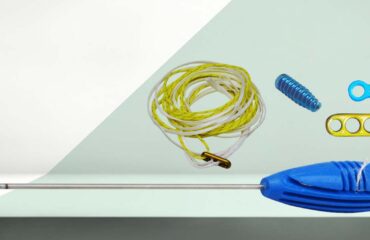
An arthroscope is a specialized medical instrument equipped with a small camera and light source that allows surgeons to visualize the inside of a joint through tiny incisions. Today, arthroscopy is widely used in the treatment of knee, shoulder, hip, ankle, wrist, and elbow conditions. It plays a crucial role in sports medicine, trauma surgery, and reconstructive procedures involving ACL-PCL implants, Suture Anchors, interference screws, Fiber Wire, Loop Button Titanium, and Tibial Post Screws.
As the demand for advanced orthopaedic implants continues to grow, arthroscopy remains at the forefront of minimally invasive orthopaedic care.
What is an Arthroscope?
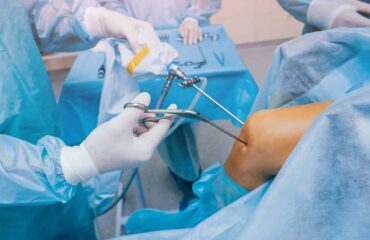
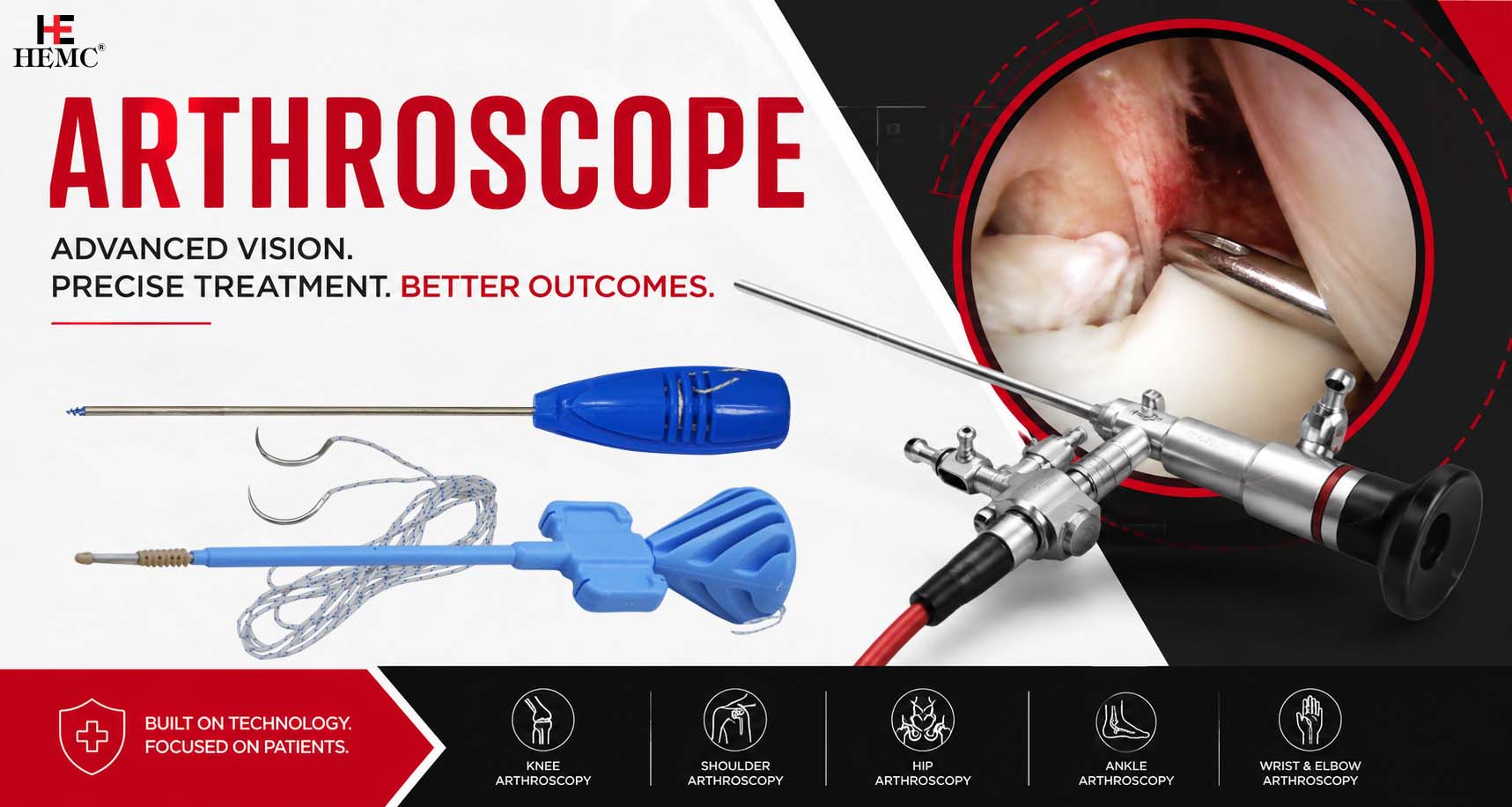
An arthroscope is a thin, tube-like instrument that contains a high-definition camera and fiber-optic light source. The device is inserted into a joint through a small incision, enabling surgeons to view internal structures on a monitor in real time.
The procedure, known as arthroscopy, allows doctors to:
- Diagnose joint injuries accurately
- Repair damaged ligaments and tendons
- Remove loose cartilage fragments
- Treat sports-related injuries
- Reconstruct torn ligaments
- Manage joint inflammation and degeneration
Unlike traditional open surgeries, arthroscopic procedures require only small incisions, resulting in less tissue trauma and faster rehabilitation.
Components of an Arthroscopy System
A modern arthroscopy setup typically includes:
Arthroscope
- The primary viewing instrument that provides high-resolution images from inside the joint.
Camera System
- Captures and transmits images from the arthroscope to a monitor.
Light Source
- Illuminates the joint cavity for enhanced visibility.
Fluid Management System
- Maintains joint expansion and clears debris during surgery.
Arthroscopic Instruments
- Specialized tools such as shavers, graspers, probes, punches, and cutters are used during procedures.
Implant Fixation Devices
- Various implants and fixation systems support ligament reconstruction and tissue repair.
Applications of Arthroscopy
Knee Arthroscopy
The knee is one of the most commonly treated joints using arthroscopy. Procedures include:
- ACL reconstruction
- PCL reconstruction
- Meniscus repair
- Cartilage restoration
- Synovectomy
- Loose body removal
The use of ACL-PCL implants, interference screws, Fiber Wire, and Loop Button Titanium devices has significantly improved the success rates of ligament reconstruction surgeries.
Shoulder Arthroscopy
Shoulder arthroscopy is commonly used for:
- Rotator cuff repair
- Labral repair
- Shoulder instability treatment
- Biceps tendon repair
- Impingement syndrome treatment
Suture Anchors and Fiber Wire systems are extensively utilized to reattach soft tissues securely to bone.
Hip Arthroscopy
Hip arthroscopy helps manage:
- Labral tears
- Femoroacetabular impingement (FAI)
- Cartilage damage
- Loose bodies
Ankle Arthroscopy
Common procedures include:
- Ligament reconstruction
- Cartilage repair
- Removal of bone spurs
- Treatment of ankle impingement
Wrist and Elbow Arthroscopy
- These minimally invasive procedures are becoming increasingly popular for treating joint instability, cartilage injuries, and chronic pain conditions.
Arthroscopy in ACL and PCL Reconstruction
- One of the most significant applications of arthroscopy is in ligament reconstruction.
ACL Reconstruction
- The Anterior Cruciate Ligament (ACL) is frequently injured during sports activities involving sudden twisting or pivoting movements.
Modern arthroscopic ACL reconstruction relies on advanced fixation systems such as:
- ACL-PCL implants
- Interference Screws
- Loop Button Titanium
- Fiber Wire
- Tibial Post Screw
These implants provide strong fixation, enabling early mobilization and accelerated rehabilitation.
PCL Reconstruction
- Posterior Cruciate Ligament (PCL) injuries are less common but often more complex. Arthroscopic techniques allow surgeons to reconstruct the ligament with precision while minimizing soft tissue disruption.
- The use of specialized ACL-PCL implants and fixation devices ensures optimal graft stability and long-term success.
Importance of Suture Anchors in Arthroscopy
Suture Anchors have become indispensable in arthroscopic surgeries.
These implants are designed to secure soft tissues such as tendons and ligaments to bone. They are commonly used in:
- Rotator cuff repairs
- Labral repairs
- Shoulder stabilization procedures
- Tendon reconstruction surgeries
Advantages include:
- Strong fixation
- Reduced surgical trauma
- Faster healing
- Improved tissue integration
Modern anchors are available in metallic, bioabsorbable, and all-suture designs to accommodate various clinical requirements.
Role of Fiber Wire in Sports Medicine
Fiber Wire is a high-strength surgical suture widely used in arthroscopic procedures.
Its benefits include:
- Exceptional tensile strength
- Minimal tissue reaction
- Superior knot security
- Long-term durability
Fiber Wire is frequently utilized alongside Suture Anchors, Loop Button Titanium, and Tibial Post Screw systems to provide robust fixation during ligament and tendon repairs.
Interference Screws: Essential Fixation Devices
Interference Screws play a critical role in graft fixation during ACL and PCL reconstruction.
These screws are inserted between the graft and bone tunnel, securing the graft firmly in place.
Advantages include:
- Immediate fixation strength
- Improved graft stability
- Enhanced healing environment
- Reduced micromotion
Available in titanium and bioabsorbable materials, interference screws remain a cornerstone of arthroscopic ligament reconstruction.
Loop Button Titanium Systems
Loop Button Titanium devices are increasingly popular for suspensory fixation techniques.
These implants offer:
- Strong cortical fixation
- High resistance to cyclic loading
- Reliable graft positioning
- Minimal bone removal
Their application is particularly valuable in ACL reconstruction procedures where strong and durable fixation is required.
Tibial Post Screw Fixation
The Tibial Post Screw provides supplemental fixation in complex ligament reconstruction surgeries.
Benefits include:
- Increased fixation strength
- Enhanced graft protection
- Improved stability during rehabilitation
- Reduced risk of graft loosening
This fixation method is commonly used in revision surgeries and high-demand athletic patients.
Eight Plates and Growth Correction
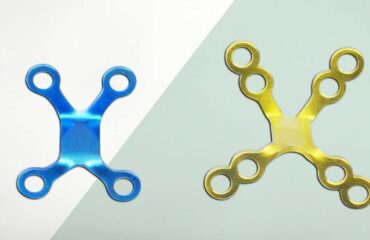
Although not directly related to arthroscopy, Eight Plates are important orthopaedic implants used in pediatric deformity correction.
These implants assist in guided growth procedures for:
- Genu valgum (knock knees)
- Genu varum (bow legs)
- Limb alignment correction
The principles of minimally invasive surgery that drive arthroscopy have similarly influenced the development of guided growth techniques utilizing Eight Plates.
Puddu Plates in Orthopaedic Surgery
Puddu Plates are widely used in high tibial osteotomy procedures.
Their applications include:
- Correction of knee malalignment
- Management of unicompartmental osteoarthritis
- Load redistribution across the knee joint
These specialized implants help delay the need for total knee replacement while preserving native joint function.
Relationship Between Arthroscopy and Orthopaedic Implants
The success of modern arthroscopy depends heavily on high-quality orthopaedic implants.
Key implant categories include:
Locking Plates and Screws
Locking Plates and Screws provide angular stability and are widely used for fracture fixation.
Benefits include:
- Superior fixation strength
- Better performance in osteoporotic bone
- Reduced implant failure rates
Interlocking Nails
Interlocking Nails remain the gold standard for long bone fracture management.
Advantages include:
- Load-sharing fixation
- Minimal soft tissue disruption
- Faster fracture healing
Spine Implants
Advanced Spine Implants are used to stabilize the vertebral column in cases involving:
- Degenerative disorders
- Trauma
- Deformities
- Tumors
The technological innovations driving arthroscopy have also influenced spinal instrumentation systems.
External Fixators
External Fixators provide temporary or definitive stabilization for:
- Open fractures
- Complex trauma
- Limb lengthening
- Deformity correction
Their modular design and adaptability make them invaluable in orthopaedic trauma care.
Advantages of Arthroscopic Surgery
Minimally Invasive Approach
Small incisions result in:
- Less tissue damage
- Reduced scarring
- Lower infection rates
Faster Recovery
- Patients often return to daily activities and sports more quickly compared to open procedures.
Enhanced Visualization
- High-definition cameras provide detailed visualization of joint structures.
Reduced Hospital Stay
- Many arthroscopic procedures are performed on an outpatient basis.
Improved Patient Satisfaction
- Less pain and faster rehabilitation contribute to better overall outcomes.
Future of Arthroscopy
The future of arthroscopy is driven by continuous innovation.
Emerging trends include:
- 4K and 3D visualization systems
- Robotic-assisted arthroscopy
- Smart surgical navigation
- Biologic augmentation
- Advanced graft fixation technologies
- Patient-specific implants
Artificial intelligence and machine learning are also expected to improve surgical planning and intraoperative decision-making.
Conclusion
The arthroscope has fundamentally transformed orthopaedic surgery by enabling minimally invasive diagnosis and treatment of complex joint conditions. From ligament reconstruction using ACL-PCL implants, interference screws, Fiber Wire, Loop Button Titanium, and Tibial Post Screws to advanced soft tissue repairs with Suture Anchors, arthroscopy continues to set new standards in patient care.
With its proven benefits of precision, reduced invasiveness, faster recovery, and superior outcomes, arthroscopy will remain a cornerstone of modern orthopaedic surgery for years to come.