



Instrument Set for Femoral Head (Prostheses) – Key Roles and Functions
Saturday, 21 June 2025
An instrument set for femoral head prostheses plays a crucial role in hip replacement surgeries, particularly in procedures involving hemiarthroplasty (partial hip replacement) or total hip arthroplasty (THA). These instruments are specially designed to assist orthopedic surgeons in accurately implanting a prosthetic femoral head, ensuring proper joint function and patient mobility. Key Roles and Functions:
- Published in Prostheses

An Overview of Distal Fibula Hook Plate
Saturday, 21 June 2025
A Distal Fibula Hook Plate is a specialized orthopaedic implant used to treat fractures and injuries at the distal end of the fibula, especially near the ankle joint. It is a type of locking or non-locking plate with hook-like projections at one end, designed to grip the bone securely for stable fixation. Key Features of
- Published in Locking Plates

Prosthesis – Types, Benefits, and Work
Saturday, 14 June 2025
A prosthesis (plural: prostheses) is an artificial device designed to replace a missing body part, such as a limb, eye, or even internal organs. Prostheses help restore the function and appearance of the missing body part, improving the individual’s quality of life. Types of Prostheses Prostheses are classified based on the body part they
- Published in Hip Prosthesis
The use of arthroscopy in orthopaedic
Wednesday, 11 June 2025
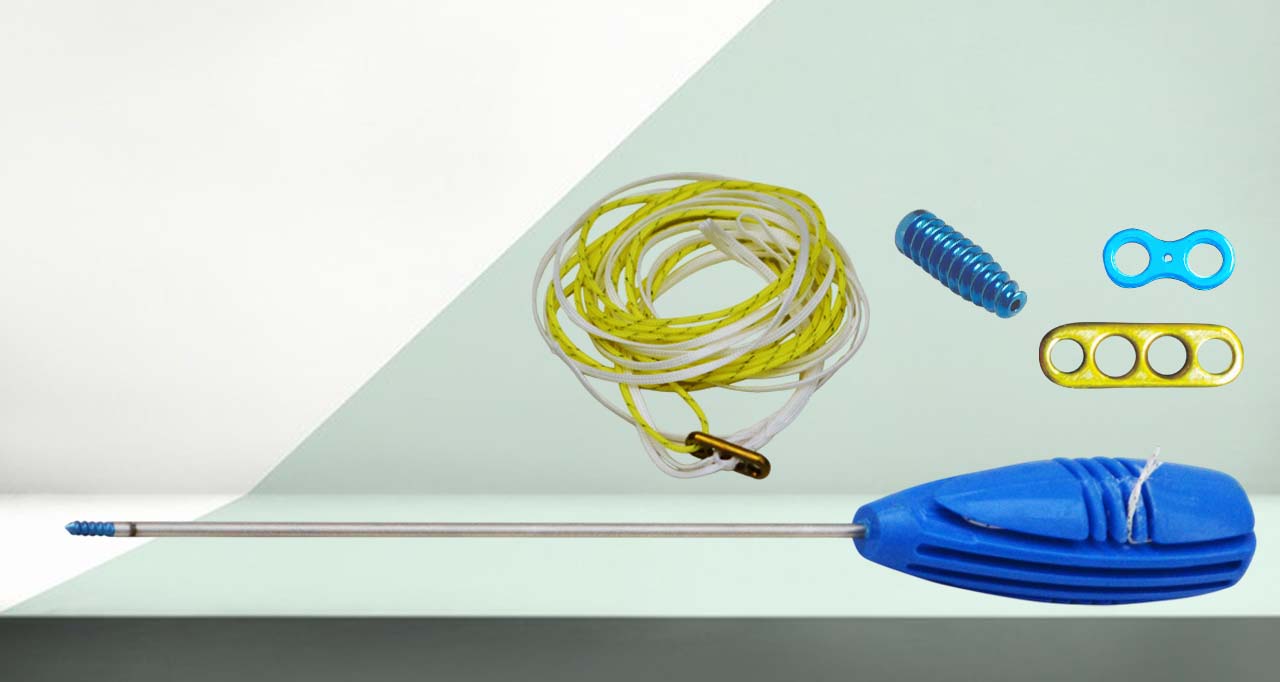
Arthroscopy is a minimally invasive surgical procedure used in orthopedic medicine to diagnose and treat problems inside a joint. It involves inserting a small camera, called an arthroscope, into the joint through a small incision. The camera projects images onto a screen, allowing the surgeon to view the joint in detail and perform necessary surgical
- Published in Arthroscopy
Prevent Orthopaedic Injuries with These 8 Effective Exercises
Wednesday, 11 June 2025
Preventing orthopedic injuries, which affect the musculoskeletal system (bones, joints, ligaments, tendons, and muscles), involves focusing on strength, flexibility, balance, and proper movement mechanics. Here are some effective exercises and tips: Warm-Up & Dynamic Stretching A proper warm-up improves blood flow and increases flexibility, reducing the risk of injuries. Jumping jacks or high knees for
- Published in Orthopedic Implants & Instruments
How Does Maxillofacial Surgery Differ from Craniofacial Surgery?
Wednesday, 11 June 2025
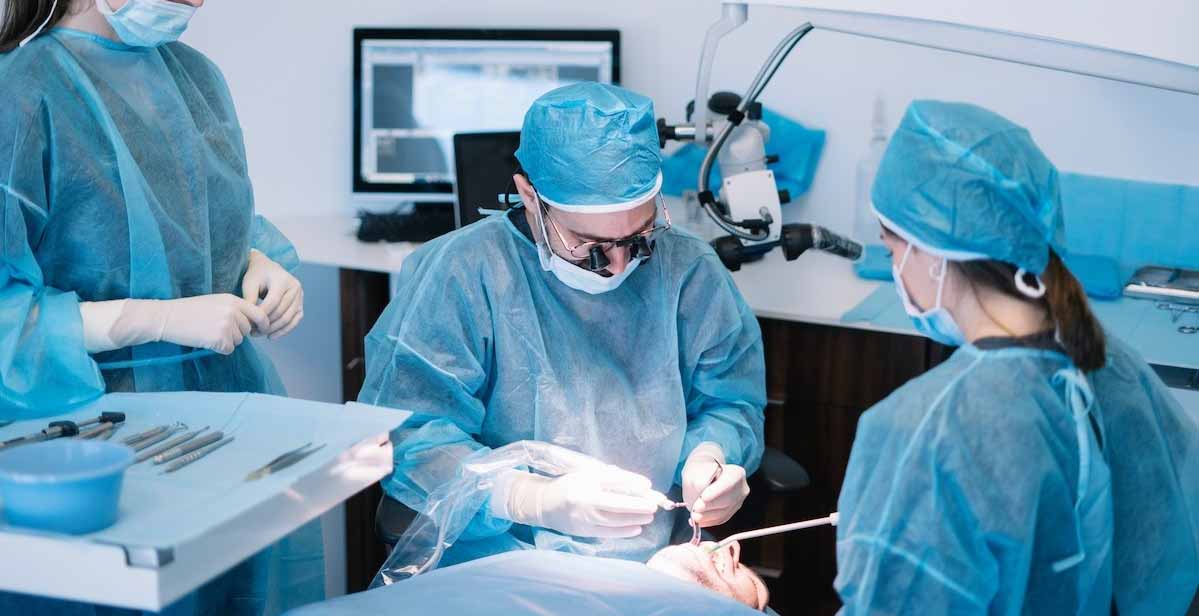
Maxillofacial surgery and craniofacial surgery are closely related surgical specialties, but they have key differences in scope, training, and areas of focus. Maxillofacial Surgery: Also called Oral and Maxillofacial Surgery (OMFS). A surgical specialty that deals with diseases, injuries, and defects involving the mouth, jaws, face, and neck. It bridges dentistry and surgery. Craniofacial Surgery:
- Published in Maxillofacial Implants
Multi-Guided Mandibular Distractor – Key Features and Benefits
Friday, 30 May 2025
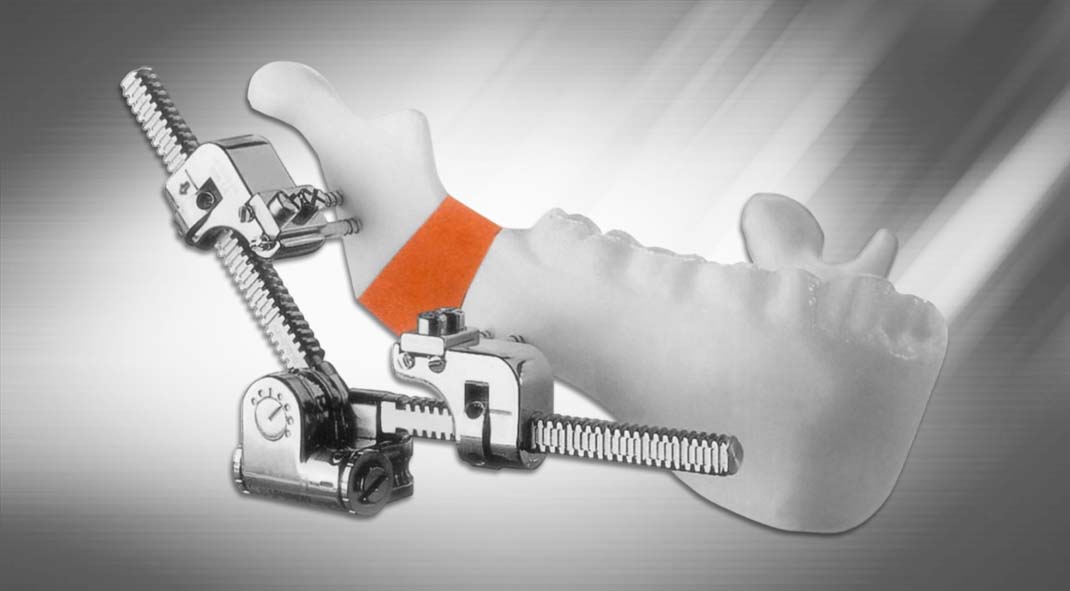
A multi-guided mandibular distractor in orthopedics—specifically in craniofacial or maxillofacial surgery—is a specialized device used in distraction osteogenesis to lengthen or reshape the mandible (lower jaw). The term “multi-guided” refers to the device’s ability to control multiple vectors or directions of movement, allowing for complex, three-dimensional corrections of jaw deformities. Breakdown of the Term: Mandibular:
- Published in Maxillofacial Implants
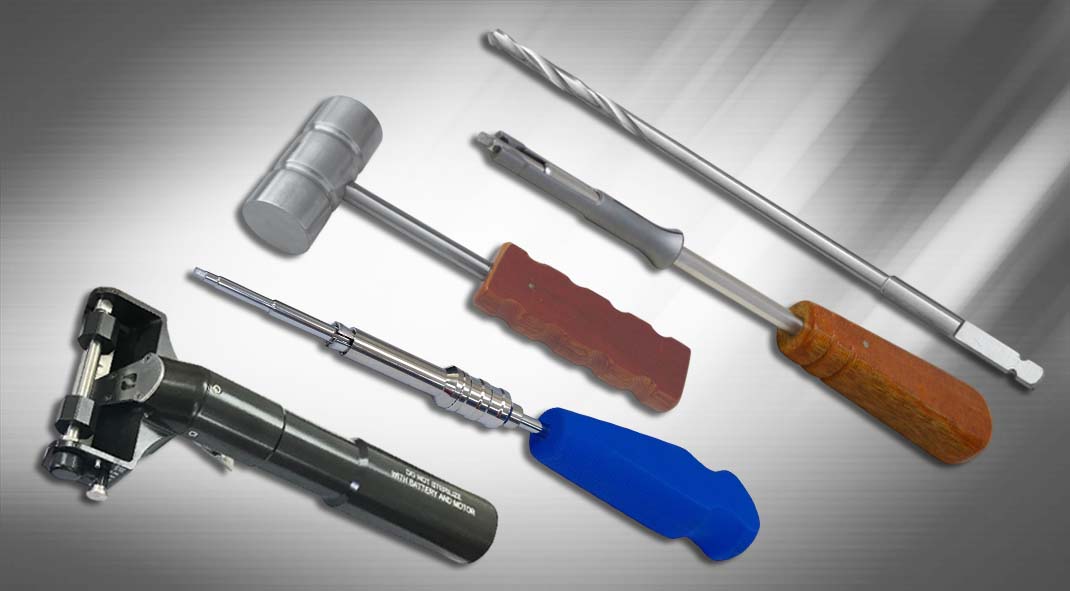
What are the General Orthopaedic Instruments and its Types?
Friday, 30 May 2025
In orthopaedic surgery, general instruments refer to commonly used surgical tools that assist in the implantation of orthopaedic devices (like plates, screws, nails, and prosthetics). These instruments are designed to facilitate access, preparation, fixation, and alignment of bone and implants. Here’s a list of key general instruments used in orthopaedic implants: Cutting Instruments Bone
- Published in General Instruments India
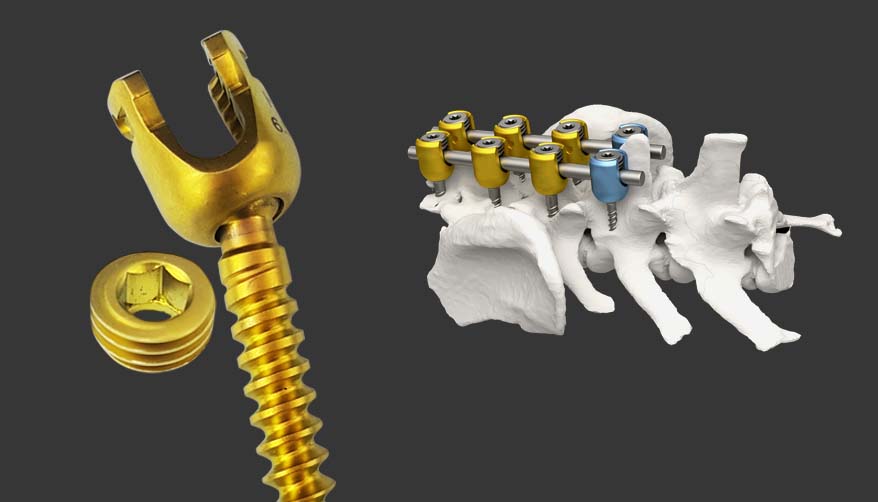
Mini Polyaxial Screw – Key Features and Benefits
Tuesday, 22 April 2025
A mini polyaxial screw is a type of orthopaedic or spinal screw that allows for multi-directional movement, meaning the head of the screw can pivot in various directions before being locked into place. These screws are commonly used in: Spinal Surgery: Particularly in procedures like cervical or thoracolumbar fixation, allowing flexibility in rod placement. Maxillofacial
- Published in Spine Implants
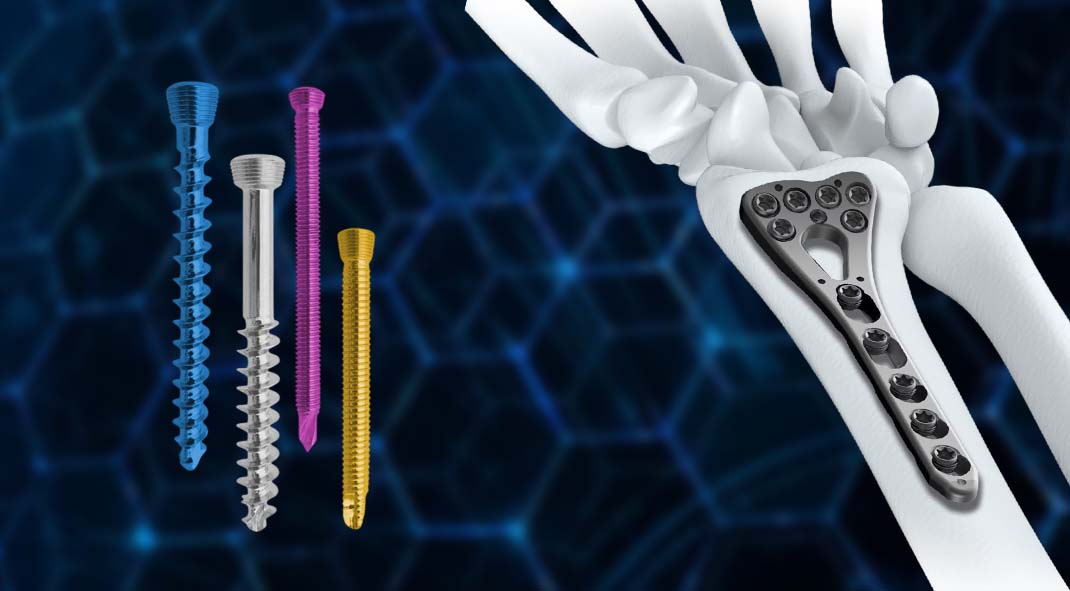
Locking Screws – Types and Benefits
Tuesday, 22 April 2025
Locking screws are specialized screws used in locking compression plates (LCPs) and other orthopaedic implants to provide stable fixation in fracture management. Unlike conventional screws, which rely on friction between the plate and bone for stability, locking screws have threads that engage both the bone and the plate, creating a fixed-angle construct. This design offers
- Published in Locking Screw Plates Instruments